
Student Mental Health in Malaysia: What a Selangor Tragedy Is Teaching Parents and Schools
A stabbing at a Banting secondary school and Indonesia’s new nationwide push for safer classrooms have put one question back on every parent’s mind this month: are we actually paying attention to how our kids are doing, or just to how they’re performing?
A Wake-Up Call From Selangor
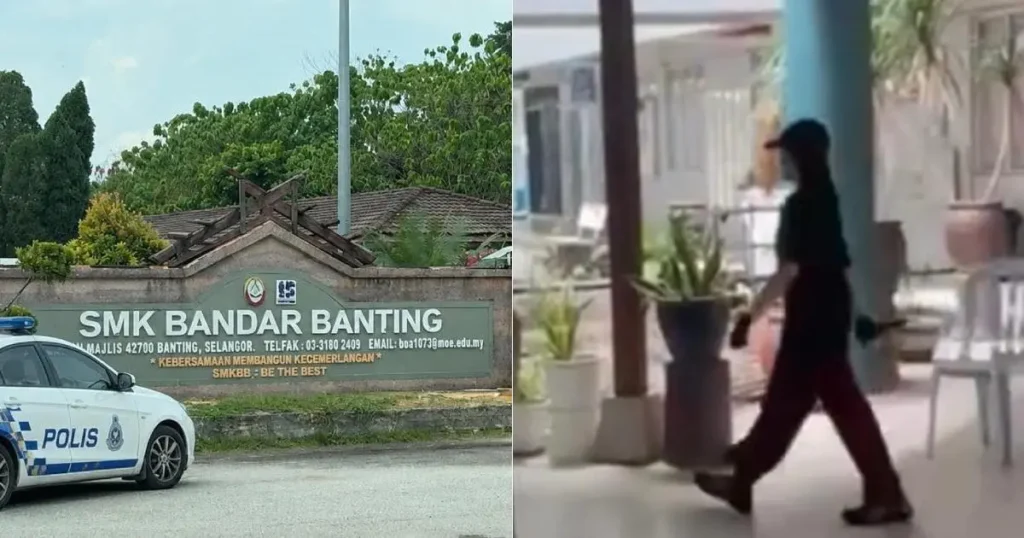
cover image via threads
On July 6, a 15-year-old schoolgirl was injured after being stabbed by a fellow student at a secondary school in Banting, Selangor. Days later, Selangor Menteri Besar Amirudin Shari announced the state government would work with the Selangor Education Department (JPNS) to tackle student mental health through co-curricular programmes, citing “growing concerns over the impact of social media and modern lifestyles” on young people’s wellbeing, as reported by Media Selangor.
The following week, psychologist Dr Lavanya Pillai told Media Selangor that today’s students are carrying more than academic pressure. They’re juggling parental expectations, school demands, and an “overwhelming social media influence” — often with nowhere safe to put it down. Her warning was blunt: many parents still assume that if a child looks physically fine, everything is fine. It usually isn’t that simple.
This isn’t a Malaysia-only story. Indonesia’s Ministry of Education just opened the 2026-2027 school year with a nationwide “Friendly School Orientation Period,” explicitly designed to prevent bullying, hazing, and violence and to build safer, more inclusive classrooms from day one, according to Antara News. Two governments, two different responses, but the same underlying signal: student mental health has moved from a “nice to have” conversation to a policy priority.
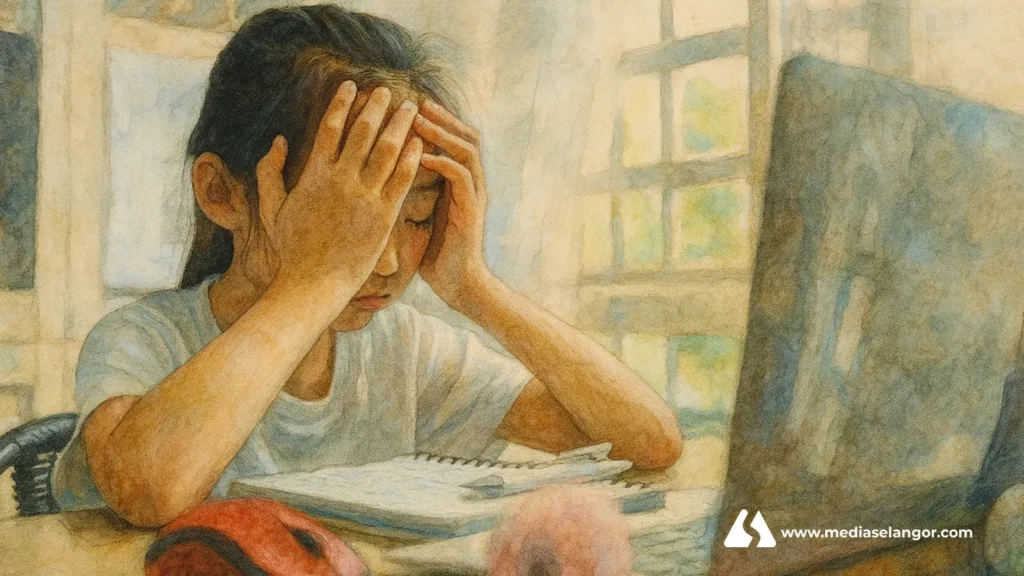
cover image via media selangor
Why This Matters Beyond Malaysia and Indonesia
Singapore, Hong Kong, and Indonesia have all seen the same pattern over the past few years — rising anxiety, sleep loss, and emotional withdrawal among students, often intensified rather than eased by the always-on nature of social media. Exam pressure used to be seasonal. Now, for many students, the pressure to perform, compare, and stay constantly connected doesn’t switch off, even during school holidays.
What’s shifting is the response. Instead of treating mental health as an issue for the school counsellor alone, education authorities in the region are starting to treat it as a shared responsibility between government, schools, and families — which is exactly where the actionable takeaways for parents and educators begin.
What Parents Can Actually Do
Dr Lavanya’s advice, echoed by mental health professionals across the region, boils down to a few concrete habits:
Watch for behaviour changes, not just grades. Withdrawal, irritability, loss of interest in things they used to enjoy, or sudden changes in sleep and appetite are often the first signs something is wrong — well before a report card shows it.
Make daily check-ins non-negotiable. Busy work schedules are real, but even ten minutes of undistracted conversation a day gives a child room to talk before a small problem becomes a big one.
Resist comparison. Comparing a child to siblings, cousins, or classmates — even with good intentions — can quietly erode their sense of self-worth and add pressure they don’t voice out loud.
Stay curious about their social media life, without policing it. Kids who feel judged or surveilled online tend to hide more, not less. Ask open questions about what they’re seeing and how it makes them feel, rather than issuing blanket bans.
What Schools Can Do
For teachers and school leaders in Singapore, Malaysia, Hong Kong, and Indonesia, the practical shift looks like this:
Train staff to spot early warning signs. Teachers are often the first adults outside the home to notice a change in a student’s behaviour — but only if they know what to look for and have a clear referral pathway to counselling support.
Build wellbeing into everyday school life, not just a once-a-year assembly. Selangor’s move toward co-curricular mental health programming reflects a broader regional trend: embedding emotional literacy into daily routines rather than treating it as a standalone event.
Make help-seeking normal and visible. Students are far more likely to reach out if counselling feels like a normal part of school life rather than something reserved for a crisis.
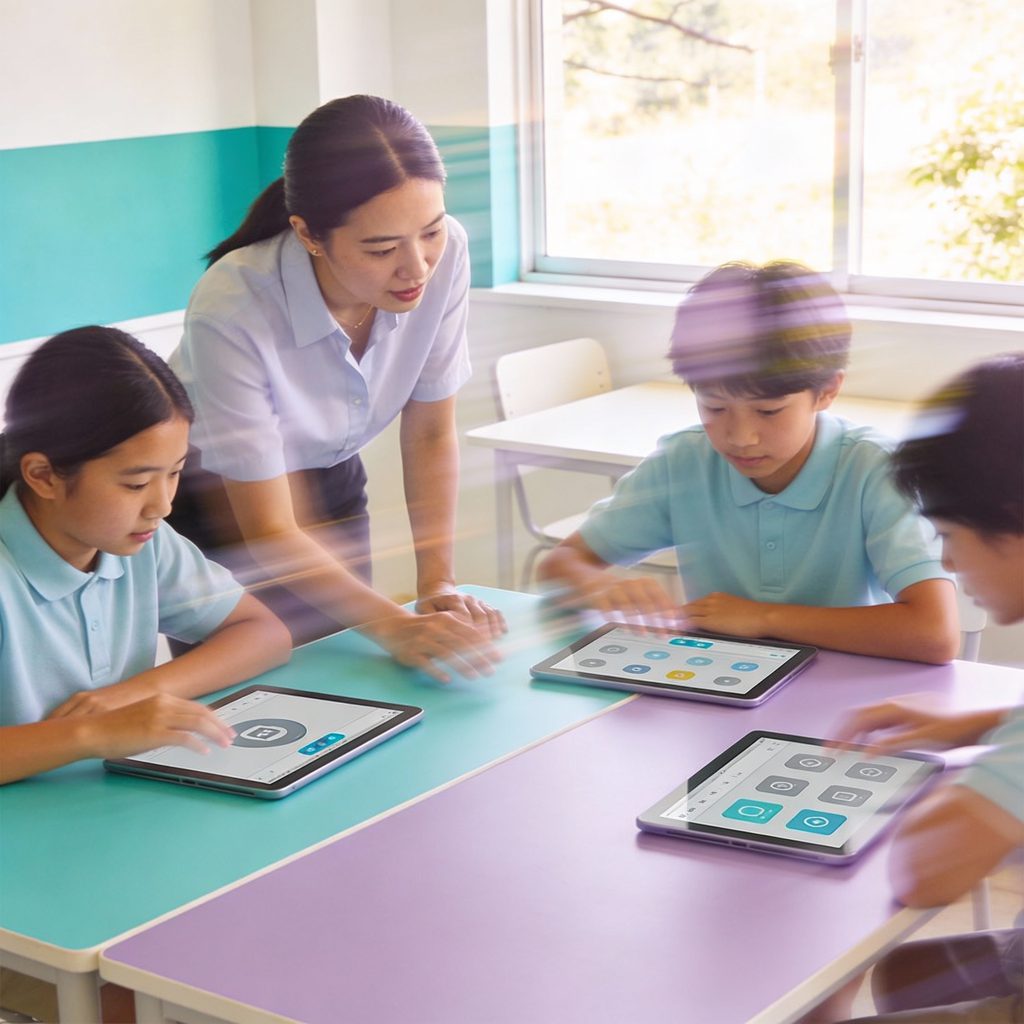
A Practical Starting Point for Families in SG, MY, HK, and Indonesia
If there’s one thing to take from both the Selangor case and Indonesia’s new school-safety push, it’s this: waiting for a crisis to start the conversation is too late. Whether you’re a parent in Petaling Jaya, an educator in Jakarta, or a school counsellor in Singapore or Hong Kong, the earlier mental health becomes a normal, everyday topic at home and in the classroom, the less likely small struggles are to escalate into something serious.
Start small. Ask your child how they’re really doing today — not just how school went. Notice the quiet ones. And make sure the adults around your students, whether parents or teachers, know that asking for help is a strength, not a weakness.
Zoala works with schools and families across Singapore, Malaysia, Hong Kong, and Indonesia to make exactly this kind of early support easier to access. Download the Zoala app to give students a safe, private space to check in on their mental wellbeing before small struggles become bigger ones.
Sources
Give your child a safe space to talk — before small struggles grow bigger
Zoala helps students in Singapore, Malaysia, Hong Kong and Indonesia check in on their feelings, build healthy habits, and reach support early — with tools trusted by schools and families across Asia.
Download the Zoala app